
by: Arianne H. Pagador and Hazel Mae J. Pagal
Philosopher M. Mamardashvili once said that as a new generation emerge, a new culture also appear, but this time, with progression; wherein the one that already existed was not forgotten but brought to the present (Kirillova, 2016). The same as the force for development that we are using. It is the force that came from history which we are utilizing as a basis for the culture that we are building (Kirillova, 2016).


The flow chart shows the progression of the media technologies. It is considered as progression because from the very beginning and at the end of it, is the combination of all; where still the text, sound, graphics, and images are still present that existed along the way.
In the 21st century the information circulates through the “Internet Galaxy” (Kirillova, 2016). Published information, printed texts, recorded films, music, videos, and even communication involves the connection of internet. It is without question that we are on the process of improving the capabilities of the internet – its accessibility, its full extent in making life easier, more realistic in a way that the virtual body can somehow be the same as the actual in terms of communicating. Furthermore, in terms of the devices used, the things that “the most you can bring but the least you need to carry”.

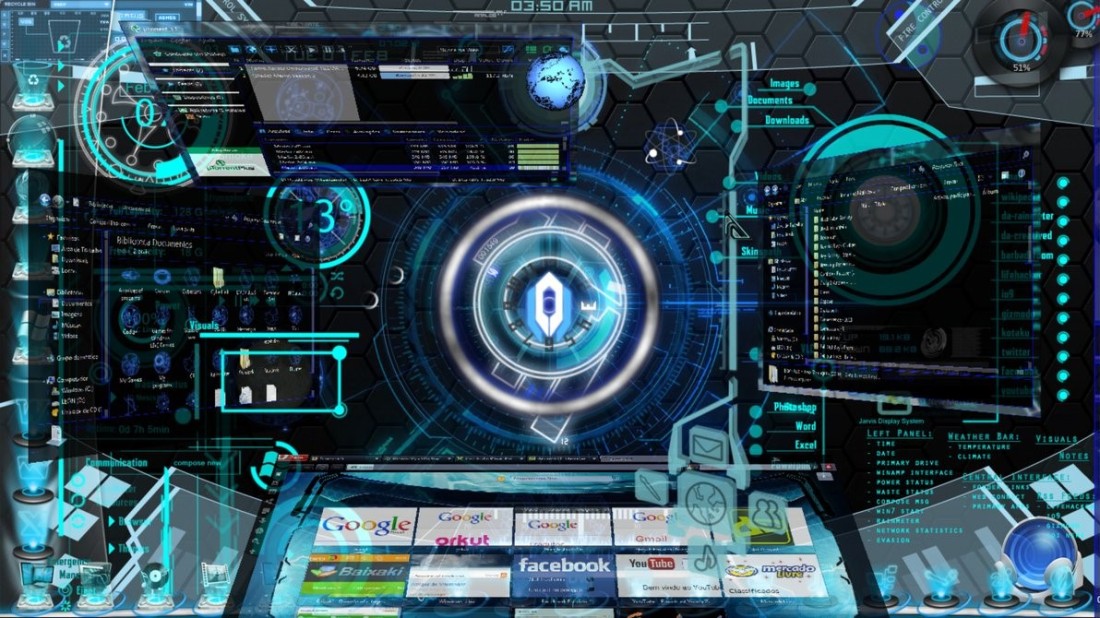
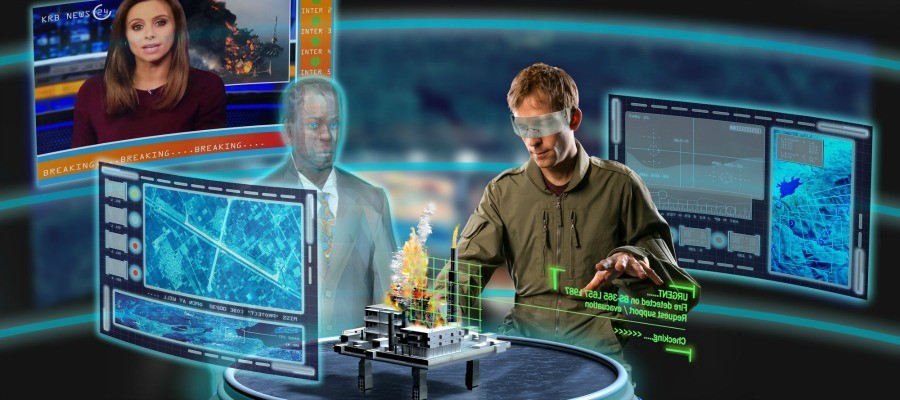
Technologies are not that predictable, but, as well as the minds of humans. They are as imaginative as ever, like on what we have seen in movies,science-fiction to be exact. It is possible that fifty years from now, Iron man will also exist in real life. The process on how Tony stark survive, all holographic techniques he made, robotics, and maybe more; not just the ideas from movie, but even more.
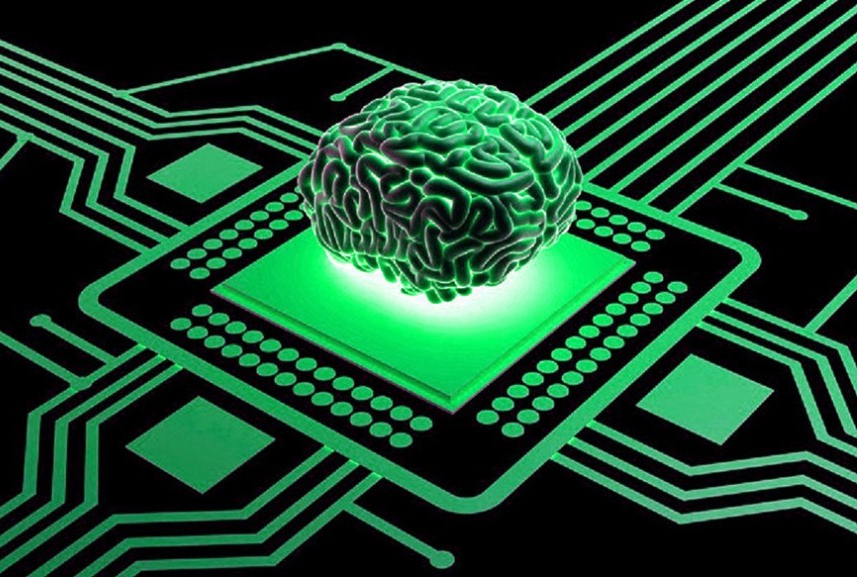
Fifty years from now, we still hope that the internet, technology, and all the improvement of all the means of communication would make us understand clearer that we must not just save ourselves from things that may hinder us from easier life, but also from the possibility that the improvement we continue to desire will end our lives.
References:
Anu, Jagga- Narrang (2015). Evolution of Media Technology. Retrieved from https://static1.squarespace.com/static/5452b6dae4b0c4d5c0fc9721/t/54f8874ce4b0048306893db2/1425573708150/Jagga-Narang%2C+Anu%E2%80%94Evolution+of+Media+Technologies.pdf
Kirillova NB (2016). Evolution of Media Culture in the Context of McLuhan’s Typology: History, Reality, Prospects. Global Media Journal. 2016, 14: 26. Retrieved from http://www.globalmediajournal.com/open-access/evolution-of-media-culture-in-the-context-of-mcluhans-typology-historyreality-prospects.php?aid=76382 on February 24, 2019.
 By Ferlyn Legarde and Rizaldo Ian Tambong
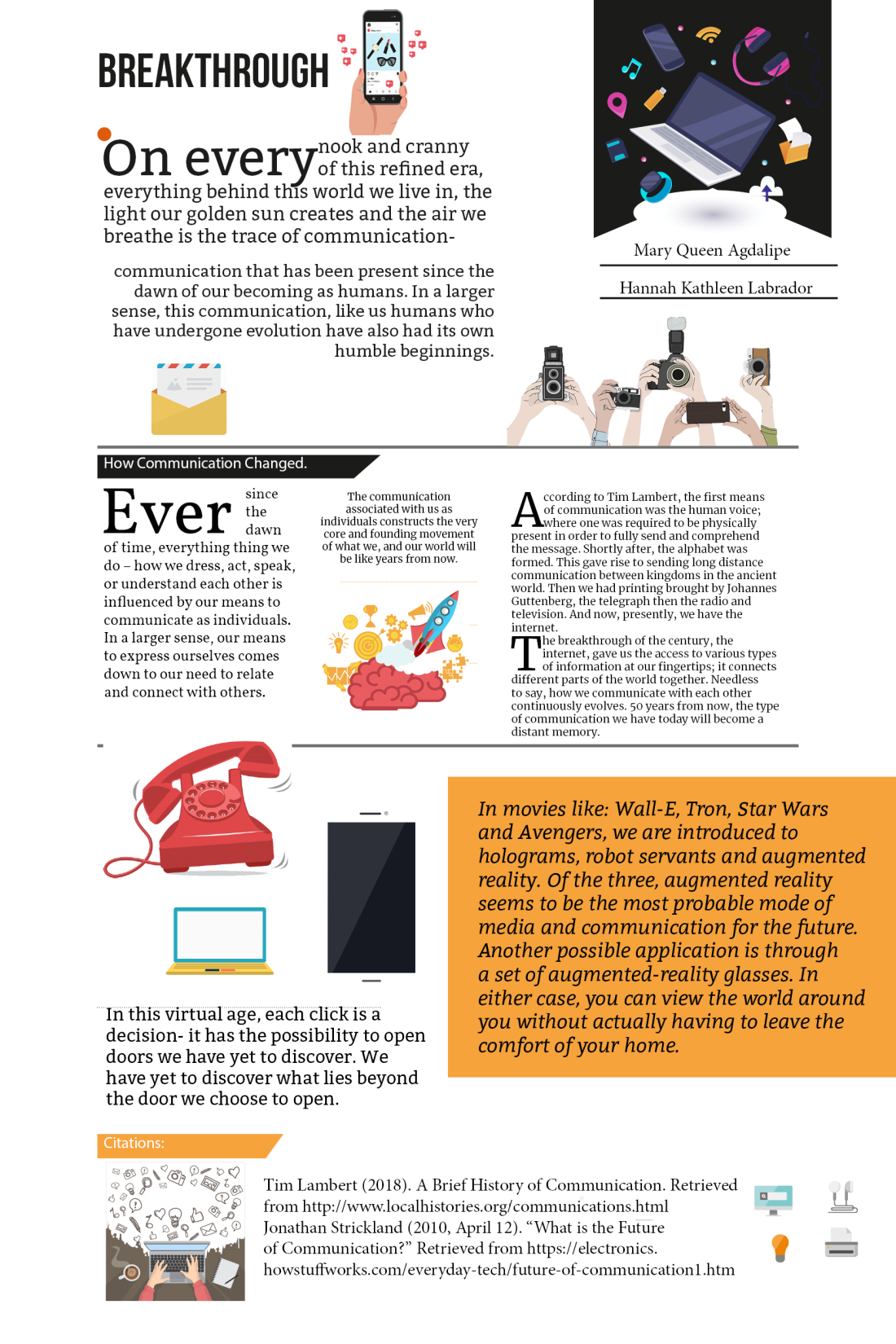
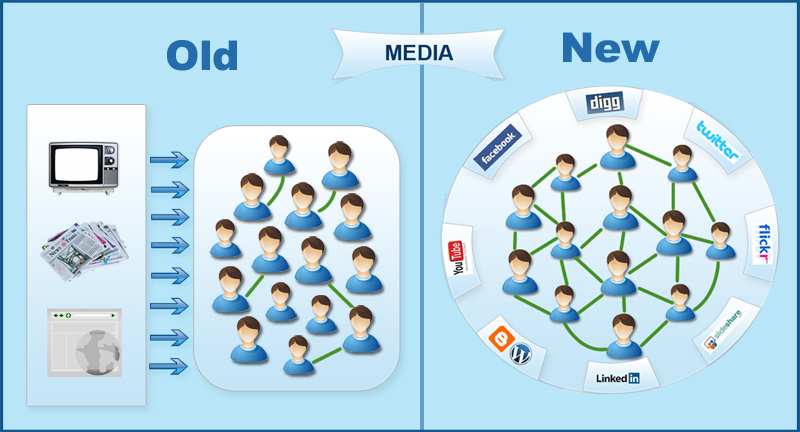
 Media and communication, both entirely distinctive concepts, both rooted in each others needs. Media in a sense greatly influences communication, communication on the other hand is the basis for maximization of media usage. In this era where technology has dominated all of human race the innovation concerning media and consequently communication is greatly recognized. From ones bulky phones and computers to sleek and automated ones, from hours of mail travel to an instant reply by the web, from long tiresome paragraphs to brief and concise GIFs and emojis. The thing is our ways have truly evolved with time and that people have become accustomed to the ways of this 21st century technological world.
 Change is inevitable. We are all witnesses to this ever-changing world we live in. Way way back, communication was all about sounds that does not even have an actual meaning. It was all about symbolisms, that if you rode a time machine right now and go back to those times, maybe you’ll be laughing your ass off seeing how those people communicate. If you try talking to those people you might even scare them off because the way you talk would be different from what they’re used to, so it will only result to misunderstandings. The thing is, it is innate in us humans to be able to interact, it is human nature to try and develop relationships with the use of cues most especially communicative ones.
 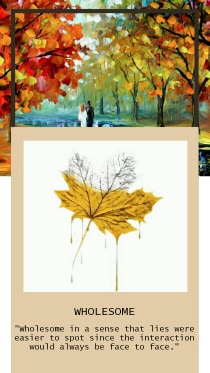 In a deeper sense, in the times of our grandfathers and mothers media was almost non-existent yet and communication was truly wholesome at some point. Wholesome in a sense that lies were easier to spot since the interaction would always be face to face. Love was also conveyed with great effort, in their ability to write letters which deeply reaches the soul and in the way a boy serenades his love. We can say that the concept of love back then in the sense of communication and media was much more heartfelt and pure.
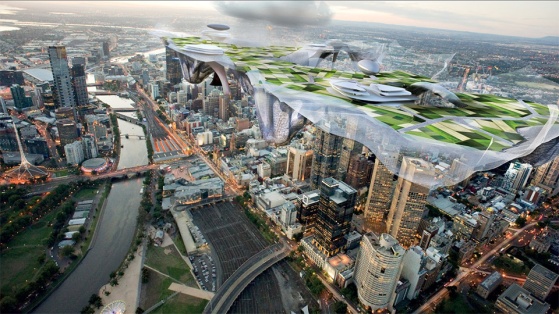
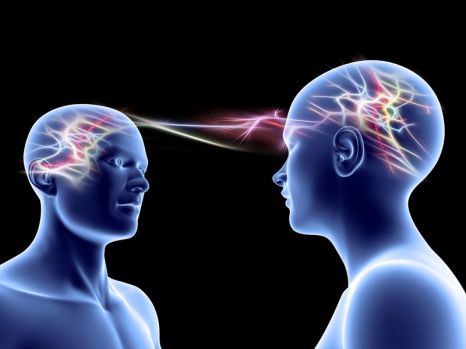
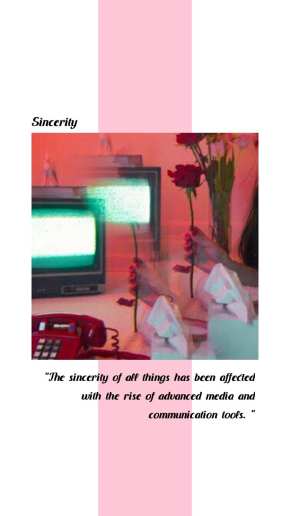 In today’s generation, liars, cheats, and those who take advantage of others are widely spread across the web. To love nowadays does not require that much effort. The sincerity of all things has been affected with the rise of advanced media and communication tools. A once very special occasion can be corrupted by the eyes of those that govern the internet. So, maybe in 50 years or so this trend of rapid change might still go on. Maybe, one will not need to travel far away to attend an important meeting or for his/her presence to be recognized. Realistic holograms may do the job a couple of years from now. Some hi-tech machines may not be shrouded in high end facilities, it may be within our reach or even in the snap of our fingers. The thing with technology is that you’ll never know what will come forth, engineers and scientists or even us students, who’s privileged enough to access quality education, could create such programs that may enable us to communicate much better than how we do at the moment. We can never tell how and when but let us expect more because our needs are growing continuously and with these needs arise greater innovation and inventions.






 Retrieved from: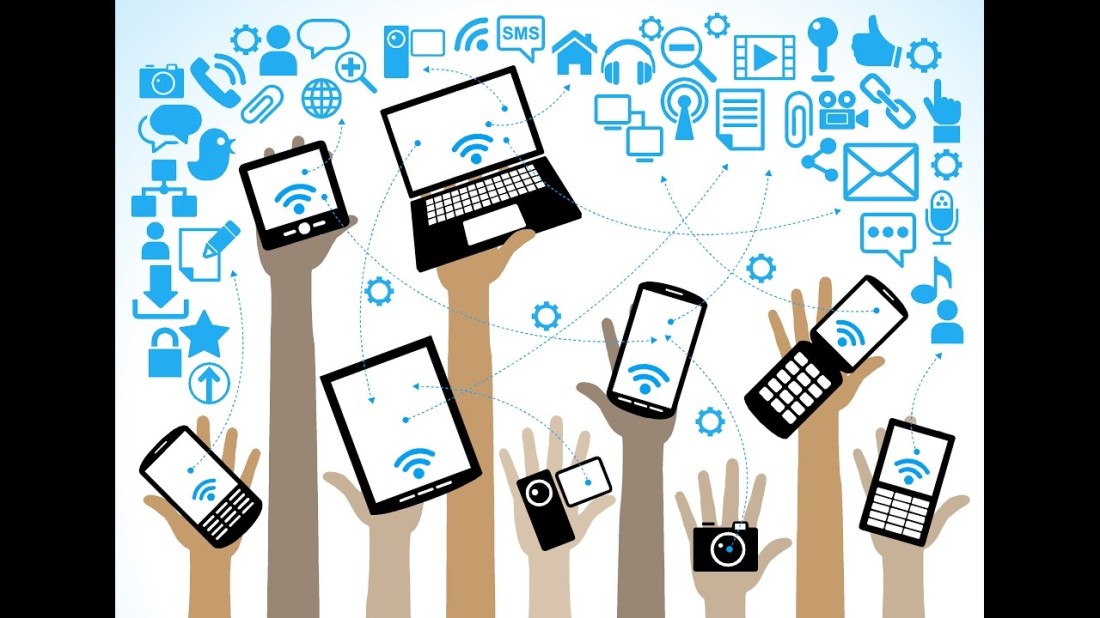
 Retrieved from:
  Retrieved from:
  Retrieved from:


 COMM10porary