
Ever since the early ages, communication has always had a vital role. We use this to pass information to our subordinates and through this, the flow of knowledge and forms of relationships between people are facilitated.
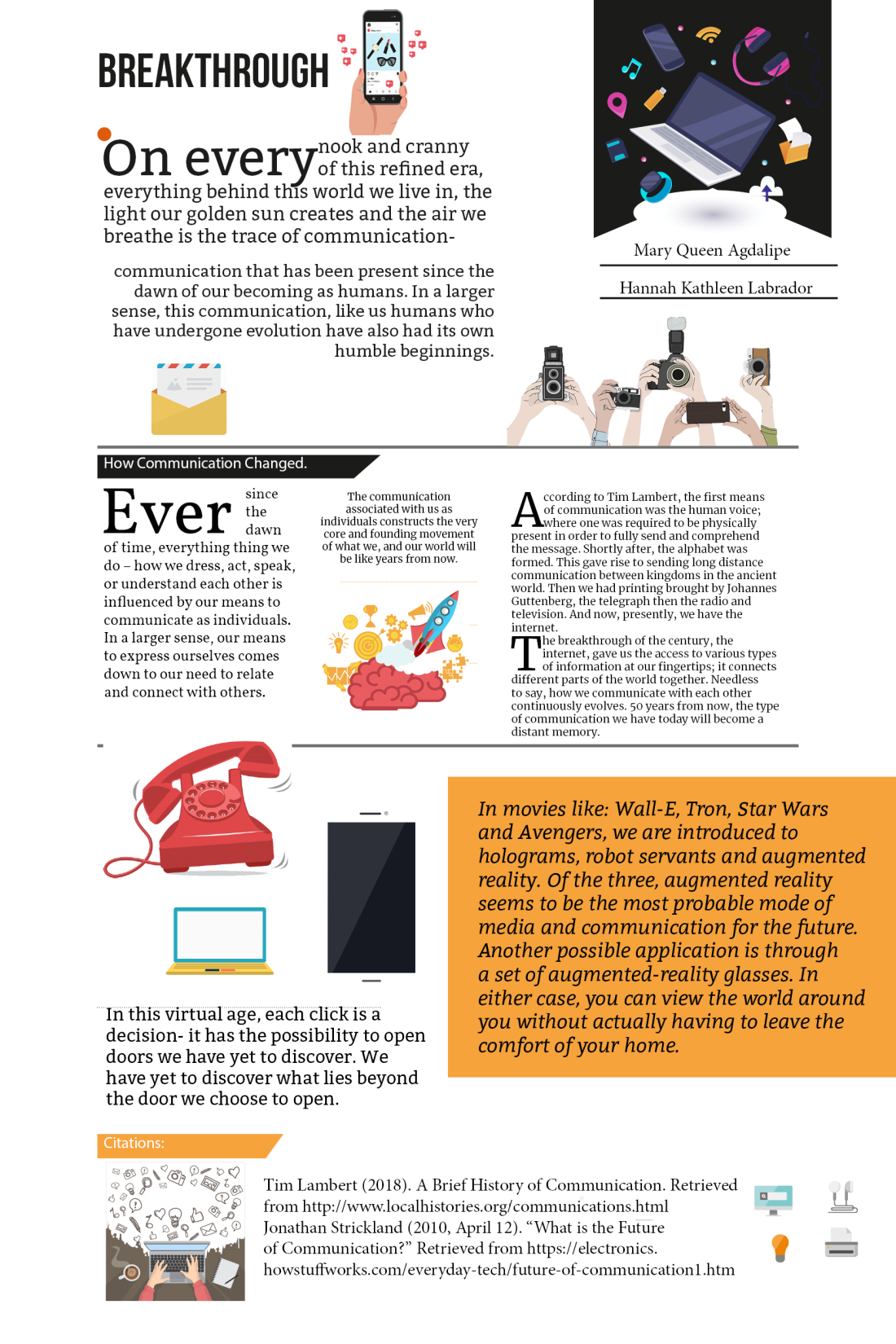
As we turn back the clock, we can see the huge difference between our methods of communicating before and now. In the 1500’s, tribes started using smoke signals to convey special messages to others. 2000 years later, Romans used the “Pigeon Post” to pass on letters to people from distant places using trained pigeons. During 255 B.C., snail mail was the best form of communication. To the creation of print media up until now, with the advanced technology we have, our mediums of communication have drastically improved.
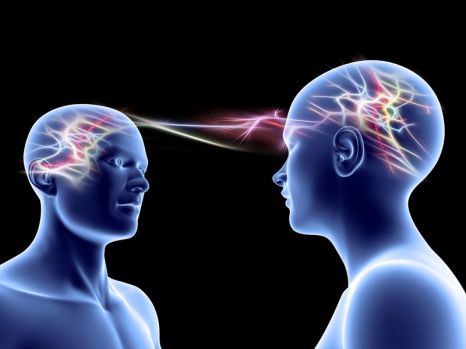
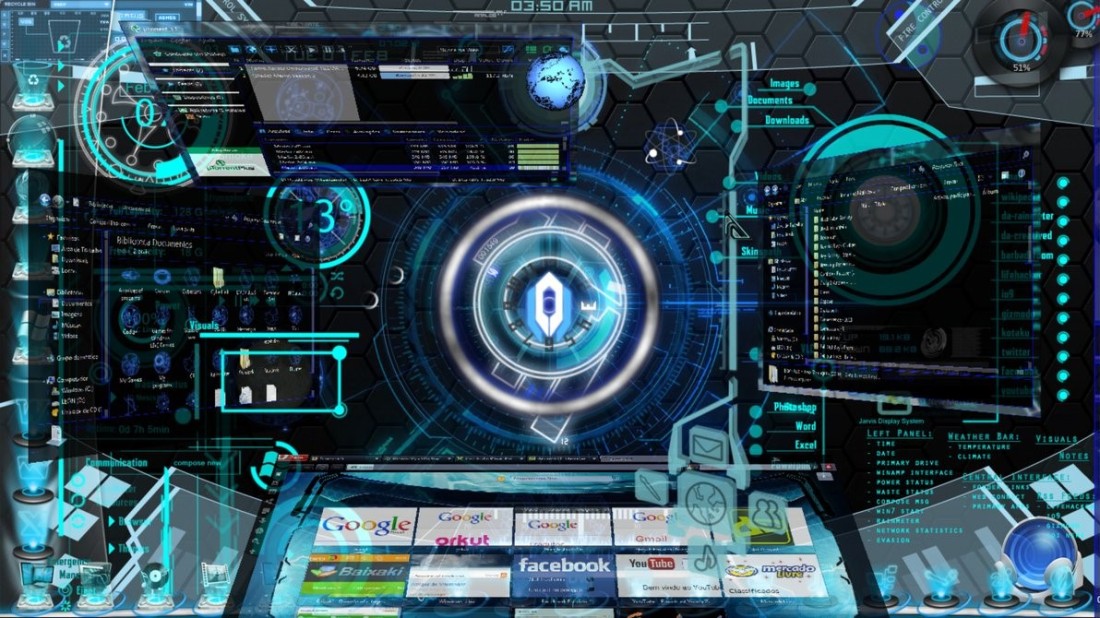
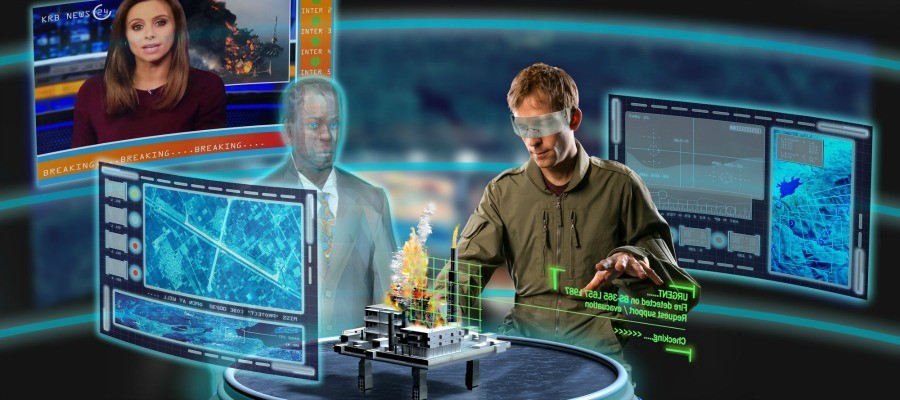
Predicting what communication and media would look like 50 years from now, we can assume the continuous innovation of our tools would make our lives easier. We have always made efforts to shatter the barriers that hold better communication back. As said by Routledge (2016), ” When a communication medium changes, our practices and experiences of communication also change”. With the invention of touchscreen phones capable of face-to-face interaction, a distant yet well process of communication is achieved. The face-paced growth of technology enables us to have a better experience and process when communicating. With that said, existence of holographic communication and virtual-reality centric methods are possible.
There is no stopping this progress for communication and media. As humans continuously gain more knowledge, more innovation is done to transcend the limits we have. There might be barriers along the way, but humans thirst for improvement will not limit them in achieving the advancements. The thing left now is how we take care of the responsibility of using them for the greater good of the community.
-Mijares
-Monsale
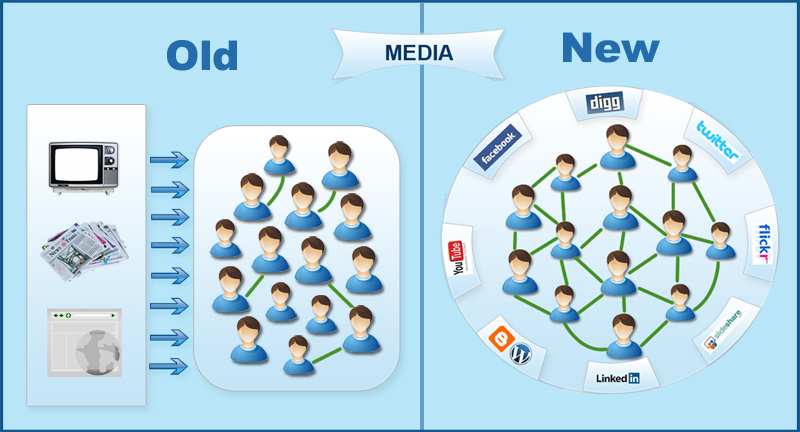
 Media and communication, both entirely distinctive concepts, both rooted in each others needs. Media in a sense greatly influences communication, communication on the other hand is the basis for maximization of media usage. In this era where technology has dominated all of human race the innovation concerning media and consequently communication is greatly recognized. From ones bulky phones and computers to sleek and automated ones, from hours of mail travel to an instant reply by the web, from long tiresome paragraphs to brief and concise GIFs and emojis. The thing is our ways have truly evolved with time and that people have become accustomed to the ways of this 21st century technological world.
 Change is inevitable. We are all witnesses to this ever-changing world we live in. Way way back, communication was all about sounds that does not even have an actual meaning. It was all about symbolisms, that if you rode a time machine right now and go back to those times, maybe you’ll be laughing your ass off seeing how those people communicate. If you try talking to those people you might even scare them off because the way you talk would be different from what they’re used to, so it will only result to misunderstandings. The thing is, it is innate in us humans to be able to interact, it is human nature to try and develop relationships with the use of cues most especially communicative ones.
 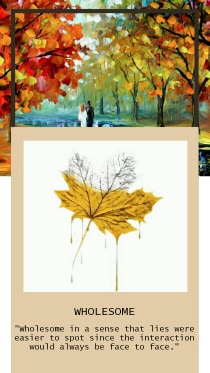 In a deeper sense, in the times of our grandfathers and mothers media was almost non-existent yet and communication was truly wholesome at some point. Wholesome in a sense that lies were easier to spot since the interaction would always be face to face. Love was also conveyed with great effort, in their ability to write letters which deeply reaches the soul and in the way a boy serenades his love. We can say that the concept of love back then in the sense of communication and media was much more heartfelt and pure.
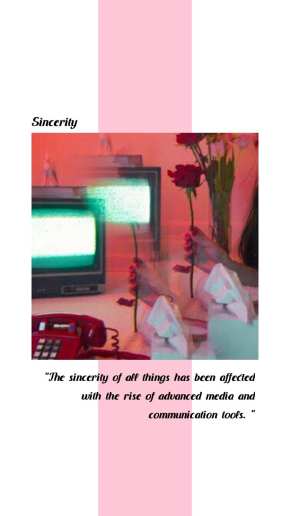 In today’s generation, liars, cheats, and those who take advantage of others are widely spread across the web. To love nowadays does not require that much effort. The sincerity of all things has been affected with the rise of advanced media and communication tools. A once very special occasion can be corrupted by the eyes of those that govern the internet. So, maybe in 50 years or so this trend of rapid change might still go on. Maybe, one will not need to travel far away to attend an important meeting or for his/her presence to be recognized. Realistic holograms may do the job a couple of years from now. Some hi-tech machines may not be shrouded in high end facilities, it may be within our reach or even in the snap of our fingers. The thing with technology is that you’ll never know what will come forth, engineers and scientists or even us students, who’s privileged enough to access quality education, could create such programs that may enable us to communicate much better than how we do at the moment. We can never tell how and when but let us expect more because our needs are growing continuously and with these needs arise greater innovation and inventions.








 Retrieved from: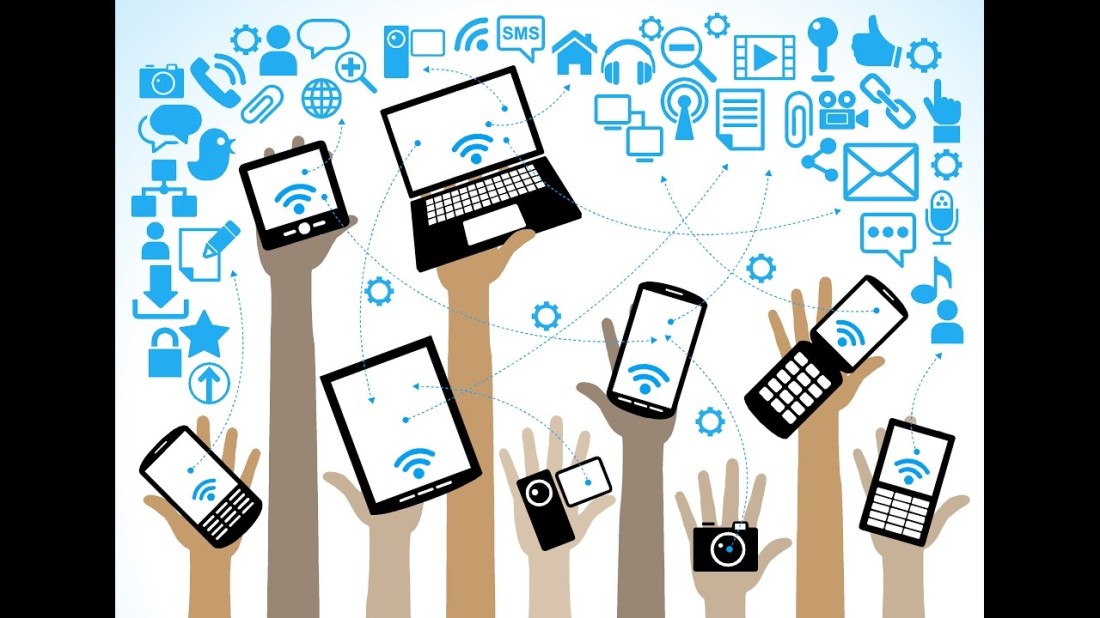
 Retrieved from:
  Retrieved from:
  Retrieved from:
  COMM10porary